AI 200 training prepares developers to build, deploy, secure and monitor scalable back end artificial intelligence solutions on Microsoft Azure using containers, databases and messaging.
Azure AI Cloud Developer Associate Certification Training
AI-200 Azure AI Cloud Developer Associate Certification Training
The AI-200 Develop AI Cloud Solutions on Azure course teaches developers how to build, deploy, secure and monitor the back end of artificial intelligence applications on Microsoft Azure. It suits developers who already write back end code and now need the AI integration skills employers expect, along with career changers moving into cloud and AI development.
The training covers containerised hosting with Azure Container Registry, Azure Container Apps and Azure Kubernetes Service, AI ready data services including Cosmos DB for NoSQL, Azure Database for PostgreSQL with pgvector and Azure Managed Redis, event and message based integration with Azure Service Bus, Event Grid and Azure Functions, and securing, monitoring and troubleshooting with Azure Key Vault, App Configuration, OpenTelemetry and KQL. You work throughout in Python and finish able to wire AI into a production application and run it reliably.
What this course leads to
On passing, you earn the Microsoft Certified: Azure AI Cloud Developer Associate certification, the current associate level Azure developer credential. It replaced the retired Azure Developer Associate, so if you were studying towards AZ-204 this is now the path to take. A grounding in cloud concepts helps, and the AZ-900 Microsoft Azure Fundamentals course is a good starting point if you are new to Azure. If your focus is the AI services themselves rather than the back end, the AI-103 Azure AI Apps and Agents course is the companion path.
Logitrain has trained over 15,000 professionals and staff from more than 2,500 Australian organisations since 2004. The official exam fee is included in your course, so there are no surprise costs after you enrol.
The Microsoft Certified: Azure AI Cloud Developer Associate credential proves you can take an AI solution beyond the model and into production, hosting it in containers, storing embeddings in vector databases, connecting services through messaging, and keeping the whole thing secure and observable. It sits at the associate level of the Azure developer path and is the credential that now defines the role, which is why it carries weight with Australian employers hiring cloud and AI developers.
At Logitrain the AI-200 course includes the official exam fee, the digital course material and mock tests. Every course is backed by our price beat guarantee on a competitor’s advertised price. As an authorised Pearson VUE test centre you can sit the exam at Logitrain, at another Pearson VUE centre, or online. Choose in-person training in Melbourne, Sydney and Brisbane, or live online across Australia, all delivered live in real time with a trainer.
There are no formal prerequisites for this course. Microsoft recommends you come in with programming experience in a language such as Python, JavaScript or C sharp, since the labs and the exam use Python, along with a basic understanding of Azure services and cloud concepts and some familiarity with containers.
If you are new to Azure, start with the AZ-900 Microsoft Azure Fundamentals course to build that base first.
Candidates can achieve this certification by passing the following exam.
- Exam AI-200: Developing AI Cloud Solutions on Azure, Microsoft Certified: Azure AI Cloud Developer Associate
You can book and sit the exam within three months of finishing your course. Sit it at any Pearson VUE test centre, or online through Pearson VUE online proctoring from a private space.
Exam format: around 40 to 60 multiple choice, case study and interactive questions, 120 minutes, with a passing score of 700 on a scale of 100 to 1000.
Your enrolment includes the Logitrain AI-200 Develop AI Cloud Solutions on Azure course material in digital format, mapped to the current exam objectives so you can revise each area after class.
- Build, store, version and manage container images using Azure Container Registry
- Build and run images using Azure Container Registry Tasks
- Deploy containers to Azure App Service with environment variables and secrets
- Deploy and manage applications on Azure Container Apps with revision management
- Scale containers with Kubernetes Event-driven Autoscaling in Container Apps
- Deploy applications to Azure Kubernetes Service using manifest files
- Monitor and troubleshoot workloads on AKS and Container Apps
- Connect to Azure Cosmos DB for NoSQL and run queries with the SDK
- Store and retrieve embeddings and run vector similarity search for semantic retrieval
- Optimise Request Unit consumption using indexing policies and consistency levels
- Implement a change feed processor to handle new and updated items
- Query Azure Database for PostgreSQL and tune pgvector for vector workloads
- Implement retrieval-augmented generation patterns with metadata filtering
- Integrate Azure Managed Redis for caching and vector indexing
- Process back end operations with Azure Service Bus queues, topics and subscriptions
- Build event-driven workflows with Azure Event Grid filters, custom events and retries
- Build serverless APIs with Azure Functions triggers and bindings
- Secure secrets with Azure Key Vault and manage settings with App Configuration
- Trace distributed systems using OpenTelemetry and analyse logs with KQL
- Azure developers
- Cloud application developers
- Back end and full stack developers
- AI application developers
- Software engineers moving into cloud and AI
- DevOps engineers who deploy AI workloads
- Career changers moving into Azure development
- Developers preparing for the Azure AI Cloud Developer Associate certification
- Store and manage container images in Azure Container Registry
- Build and run images using Azure Container Registry Tasks
- Version and manage container images
- Deploy containers to Azure App Service
- Configure App Service environment variables and secrets
- Deploy applications to Azure Container Apps
- Manage environment configuration and revisions in Container Apps
- Implement event-driven scaling with KEDA in Container Apps
- Deploy applications to Azure Kubernetes Service using manifest files
- Configure applications on Azure Kubernetes Service
- Monitor and troubleshoot AKS and Container Apps through logs, events and connectivity
- Connect to Azure Cosmos DB for NoSQL using the SDK
- Build and run queries against Azure Cosmos DB for NoSQL
- Optimise query performance and Request Unit consumption
- Apply indexing policies and consistency levels
- Store and retrieve embeddings in Cosmos DB
- Run vector similarity search for semantic retrieval
- Implement a change feed processor for new and updated items
- Connect and query Azure Database for PostgreSQL with SDKs
- Model schemas and choose appropriate data types and indexing strategies
- Tune pgvector compute overhead and query latency
- Configure compute, memory and storage for vector workloads
- Implement retrieval-augmented generation patterns with metadata filtering
- Optimise connections to improve throughput and reduce latency
- Implement Azure Managed Redis caching, expiration and invalidation
- Implement vector indexing in Azure Managed Redis for similarity search
- Queue and process back end operations with Azure Service Bus
- Handle dead-letter queues, messages, topics and subscriptions
- Implement event-driven workflows with Azure Event Grid
- Configure Event Grid filters, custom events and retries
- Build serverless APIs with Azure Functions triggers and bindings
- Configure and deploy function apps
- Secure secrets with Azure Key Vault including rotation and retrieval
- Store and retrieve application settings with Azure App Configuration
- Trace distributed systems using OpenTelemetry SDKs
- Write KQL queries to analyse logs and metrics
- AZ-900 Microsoft Azure Fundamentals: the entry point to Azure and the best starting course if you are new to the cloud.
- AI-901 Microsoft Azure AI Fundamentals: a plain grounding in AI on Azure before associate level work.
- AI-103 Azure AI Apps and Agents: the companion associate course focused on the AI services and agents themselves rather than the back end.
- AZ-104 Microsoft Azure Administrator: for those who want the administration side of Azure alongside development.
- AZ-305 Designing Microsoft Azure Infrastructure Solutions: the architect level step for designing Azure solutions.
- Artificial Intelligence Job Ready Program: training, certifications, internship and career counselling for those aiming to land an AI role.
- Microsoft Azure courses: the full range of Azure training at Logitrain.
Got a team to train? Logitrain can deliver the AI-200 Develop AI Cloud Solutions on Azure course in house at your premises anywhere in Australia, with the same trainer, course material, mock test and official exam fee as the public courses. It suits teams who want everyone trained together on dates that suit the business.
What is the AI-200 course?
It is the current associate level Azure developer course, teaching you to build, secure and monitor the back end of AI applications on Microsoft Azure. It leads to the Microsoft Certified: Azure AI Cloud Developer Associate certification.
Is the exam fee included in the course?
Yes. The official exam fee is included at Logitrain, and you can sit the exam within three months of finishing your course at our Pearson VUE test centre, at another Pearson VUE centre, or online.
What replaced AZ-204?
Microsoft retired the AZ-204 exam and the Azure Developer Associate certification on 31 July 2026. AI-200 and the Azure AI Cloud Developer Associate certification are the replacement path, with a stronger focus on AI workloads.
Are there prerequisites for AI-200?
There are no formal prerequisites. Microsoft recommends programming experience in a language such as Python, a basic understanding of Azure and cloud concepts, and some familiarity with containers.
How long is the AI-200 course?
The course runs over five days full time, or five weeks part time if you study in the evenings or on weekends.
Where can I take the AI-200 course?
In-person in Melbourne, Sydney, Brisbane, Adelaide, Perth and Canberra, plus live online across Australia, all delivered live in real time with a trainer.
Should I do AI-200 or AI-103 first?
They cover different sides of the same field. AI-200 is about building and running the back end that AI applications depend on, while AI-103 focuses on the Azure AI services and agents. Choose the one that matches your role, or take both to cover the full picture.
What is included with AI-200 Course?

Includes Official Exam Fee
Take the certification exam within 3 months of course / module completion

Authorised Test Centre
Take the official certification exam at Logitrain, a local VUE test centre or online

Includes Course Material
Course material in digital format is included for flexibility and ease of use

Includes Practise Questions
Practise questions are provided for better understanding of the key concepts

Instructor-led Training
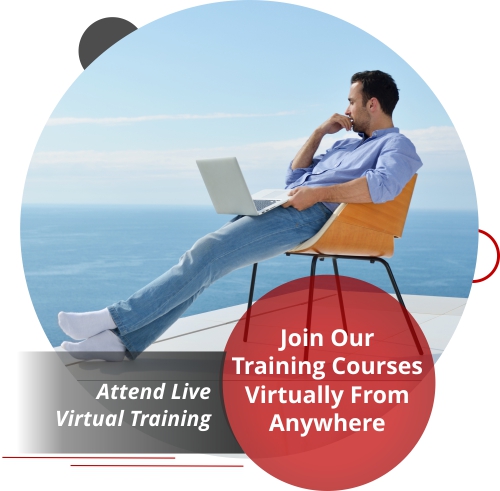
Attend the course with an instructor at our training centre or from anywhere

Our Price Beat Guarantee
Relax, we will beat competitor’s advertised price. Our course has no extra costs

| Location | Type | Duration | Price | Dates | |
|---|---|---|---|---|---|
| Location | Type | Duration | Price | Dates |
The supply of this course/package/program is governed by our terms and conditions. Please read them carefully before enrolling, as enrolment is conditional on acceptance of these terms and conditions. Proposed course dates are given, course runs subject to availability and minimum registrations.
Our Vendor Partners

Why Choose Logitrain
 Instructor-led industry certification training
 Trained 15,000+ professionals and counting
 Experienced Provider: Operating Since 2004
 Trained staff from 2,500+ Australian Businesses
Where Our Past Students Worked
SATISFIED CUSTOMERS
“Fantastic delivery! extremely knowledgeable trainer! great real-world experience with easy examples! convenient location!”
– Spiros L, Senior IT Officer at BOM, Rating: 5/5
“Everything was great, describing technologies in real world examples was fantastic. Logitrain has been a fresh surprise.”
– John D, ICT Manager at Glenvill, Rating: 5/5
“Thanks for a great week! Really enjoyed and feel I picked up a lot. Great Trainer! Will definitely look at further studies here.”
– Steven B, Senior Service Centre Analyst at News Corp Australia, Rating: 5/5
“The trainer was very patient and gave everybody the opportunity to participate. Got lots of opportunity for hands-on practise”
– Tim S, Solutions Architect at MSC Mobility Solutions, Rating: 5/5
SOME OF OUR CLIENTS
Logitrain has trained staff from over 2,500 organisations across Australia